
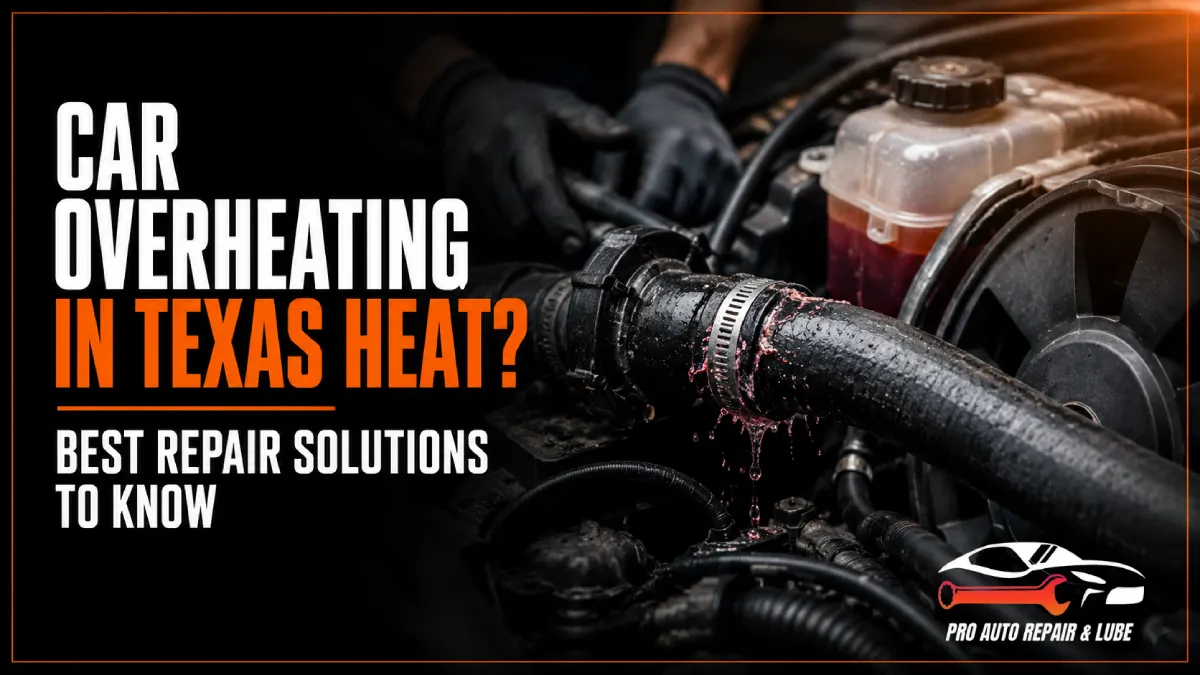
Texas summers’ extreme heat can become unbearable, especially for European vehicles. These cars are primarily designed for moderate European weather. The local high temperatures push their cooling systems to work harder than they were designed for. As outside temperature rises, it can suddenly increase the heat under the vehicle’s hood because of trapped air. This massive heat load minimises the temperature differential, which is crucial for standard vehicle heat rejection. It ultimately leads to micro component wear, oil thinning, fluid degradation, and even a complete component failure.
Several solutions can help prevent your car overheating in Dallas TX, even in high Texas temperatures. Local mechanics usually use the emergency heater core bypass trick, which involves turning the cabin heater and lower fans together. Together, they act like a secondary mini radiator, maximising the vehicle’s air-management and cooling capacity. This process draws extreme thermal energy out of the engine blocks. It vents it straight into the cabin, saving internal engine components from melting down before pulling. This guide explores common causes and effective solutions to prevent car overheating Texas heat.
Major Car Overheating Problems Causes & Repair Solutions
Coolant Leaks & Low Levels
Common symptoms include steam from the hood and puddles under your car. You may also notice your car overheating in Dallas frequently, regardless of how long it has been driven. It usually happens because of high heat, as it accelerates coolant evaporation, which ultimately becomes thick and does not perform its basic function properly.
It can also weaken hoses, which can disrupt other components’ functions. Common diagnostic methods include pressure testing and dye leak detection. Repair solutions include replacing the radiator, cracked hoses, or the reservoir. You may also need to flush and refill the coolant.
Faulty Radiator
If your vehicle’s temperature gauge is constantly rising, it is a common sign of a faulty radiator. Similarly, coolant discoloration and clogged fins are also clear signs of the same issue. In Texas, heat and debris are high, especially in summer, when construction projects spike and leave heavy debris. This ultimately clogs the radiator fins and traps heat inside.
Common tests include an infrared temperature scan and a flow test. Expert technicians use advanced tools specific to your vehicle model. They also run some additional tests to identify the issue precisely. Commonly, this problem is resolved by replacing the radiator, upgrading, or professional cleaning.
Broken Water Pump
A grinding noise in your vehicle, along with overheating at idle, are the two most common symptoms indicating a broken water pump. In severe cases, you may also notice coolant leaks near the pump. Local heat accelerates bearing wear and gasket failures, which can reduce fluid flow.
Technicians use visual inspection to determine the root cause of a broken pump. They also perform a detailed coolant circulation test to check for any leaks and blockages inside the system. They then reseal the gaskets or inspect the drive belt. In severe cases, they may also replace the water pump entirely.
Thermostat Failure
It causes your vehicle engine to run extremely hot or fluctuate between hot and cold. The engine’s internal wax motor expands and contracts millions of times, and high temperatures rapidly degrade the wax mixture. This causes it to lose its calibrated expansion coefficient and weld the valve shut.
The most common reason is constant high temperatures, which can cause the thermostat to stick closed. You can identify the issue by monitoring your vehicle’s temperature consistently or by thoroughly inspecting the thermostat housing. For engine cooling system repair Dallas, first flush the cooling system; if the issue persists, replace the thermostat.
Cooling Fan Malfunction
In this case, your vehicle overheats in traffic regardless of your driving speed. This is because of trapped air; in rushy areas, it has no way to escape the engine. That’s why you often feel your vehicle’s AC is blowing warmer air than normal. Stop-and-go traffic in Dallas requires constant fan operation, which burdens the motor and pushes it beyond its design limits.
You can use a fan motor inspection test or electrical testing to determine whether your vehicle’s cooling fan is causing it to overheat. If so, your technicians may replace the fan motor, control modules, or relay.
Head Gasket Failure
White smoke from your car’s exhaust system is a true indicator of this failure. You may also notice coolant in the oil and severe overheating. The most common reason behind this failure is prolonged engine overheating Dallas TX, which is common in local summers, that ultimately increases gasket blowouts.
A compression test and chemical block test can clarify the issue and give you a path forward. Your technicians may machine the cylinder head or replace the gasket completely. To avoid costly repairs, visit a specialized shop early, because continuing to run your vehicle while ignoring the issue can turn minor fixes into major repairs.
Preventive Measures for Texas Drivers
| Category | Action | Benefit |
| Coolant Care | Flush coolant and balance the mix | Keeps engine cool and prevents corrosion |
| Hose & Belt | Inspect hoses and belts for cracks | Avoids leaks and pump failure |
| Radiator Check | Examine radiator tubes for stress | Prevents sudden rupture on the road |
| Shade Parking | Park in shade or use sunshades | Reduces cabin heat and protects wiring |
| Infrared Scan | Use infrared tools to detect blockages | Finds hidden cooling issues early |
| Leak Test | Pressure test the cooling system | Reveals weak clamps and pinholes |
| Fan Analysis | Check voltage drop in fan circuits | Prevents motor failure before breakdown |
| Mechanic Visit | Schedule pre-summer inspection | Ensures system is ready for heat |
Final Analysis
Car overheating in Dallas TX is not a signal you can easily ignore. It initially feels inconvenient, but ultimately it leads to severe, catastrophic engine damage. So, don’t take it lightly, because many underlying factors can cause your vehicle to signal that it’s having a problem. Whenever you notice it, visit your Texas technicians immediately. However, never take your vehicle to shops that don’t have experience with your vehicle brand. If you have a European luxury car, visiting a domestic generic car technician can damage other components along with the main issue. For specialized overheating car repair Dallas and maintenance, visit Pro Quick Lube & Auto Repair in Dallas today.
FAQs
What should I do if my car starts overheating in Dallas?
You should immediately turn off the air conditioning. Also crank up the cabin heater, and pull over safely. Now, turn off the engine and wait at least 30 minutes before opening the hood.
What are the most common causes of an overheating engine?
Low coolant levels from system leaks or evaporation are the most common reason. Similarly, a stuck thermostat blocking fluid flow is another primary cause of your vehicle’s engine overheating.
Can extreme Texas heat damage a car’s cooling system?
Yes, high thermal stress can crack plastic reservoirs. It then ultimately accelerates the breakdown of rubber hoses and belts. It also causes existing micro-cracks in the engine block to expand and fail.
Can I drive my car if the engine is overheating?
No. Driving an overheating vehicle can warp the cylinder head. It can also blow the head gasket or permanently seize the internal pistons. It forces a complete engine replacement.
When should I take an overheating car to a mechanic?
Have your car towed to a shop immediately after the very first instance of overheating. For local diagnostics and repairs, you can contact the technicians at Pro Quick Lube & Auto Repair.